Fitness & Excercise, Health Conditions, Physical Health

Why Metabolism, Not Diets, Is the Key to Weight Management in 2025

Meta Description:  Forget diet fads. Discover how metabolism, balanced nutrition, and simple habits help you manage weight and boost energy naturally in 2025.

I’ll be honest with you. For most of my life, I thought managing weight was just about eating less and exercising more. Pretty straightforward, right? But the older I got, the more I realized my body had its own plan. What worked when I was twenty didn’t do much in my thirties.

It took me a while to understand that weight management isn’t just about willpower. It’s about how your metabolism reacts to what you do every day. How you eat, move, and even how you rest. That’s where things really started to click for me.

1. Metabolism Isn’t Broken, It’s Just Adjusting

You’ve probably said it or heard it before: “My metabolism is slow.” I used to think that too. But here’s the truth. It’s not broken. It’s just doing what it’s supposed to, adjusting.

When I started working remotely, my steps dropped, but my meals didn’t. My body just adapted to the new routine by burning less. Once I understood that, I stopped blaming my metabolism and started changing my habits.

Lifting weights a few times a week, staying hydrated, and keeping my sleep consistent made a noticeable difference. Nothing extreme, just steady effort. That’s when I realized metabolism responds better to routine than to restriction.

2. Diet Trends Are Finally Growing Up

I’ve been through the cycle of diets such as keto, fasting, paleo, and even juice cleanses. Some worked for a bit, most didn’t. The funny thing is, I wasn’t looking for balance, just results.

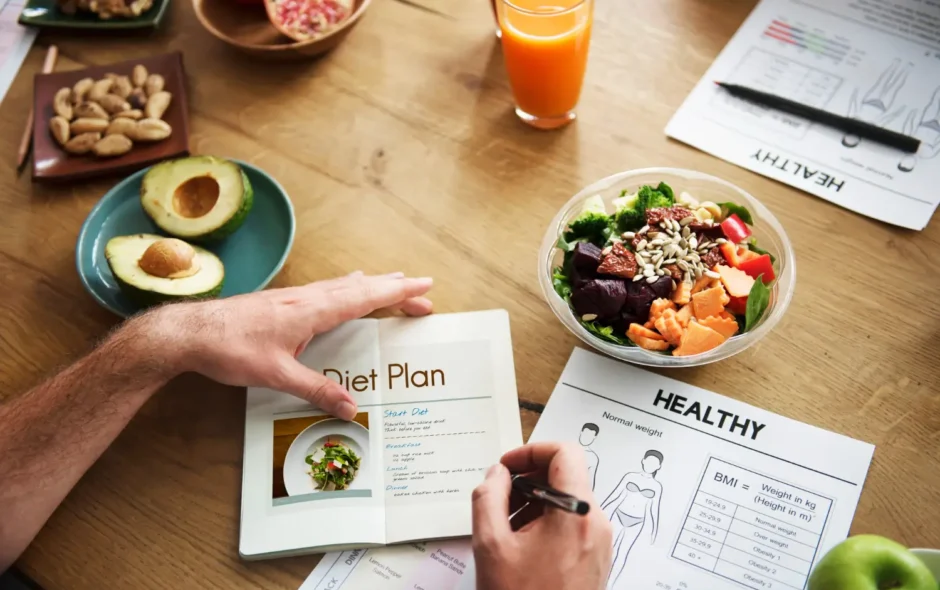
Now, I see nutrition differently. People are shifting toward flexible eating instead of rigid rules. Whole foods most of the time, with room for the stuff you actually like. That balance changed everything for me.

Even the Virginia Department of Health promotes realistic nutrition and not fancy programs, just mindful eating, portion control, and foods that actually fuel your body. It’s a refreshing approach, honestly.

I also learned that getting enough protein really matters. It helps with fullness, muscle support, and energy. Once I started adding more lean protein to my meals, I didn’t feel like snacking all day.

3. Movement Doesn’t Have to Mean Exercise

I used to think that if I wasn’t doing a full workout, it didn’t count. That mindset burned me out fast. But I realized something simple: movement is movement.

Taking a short walk after dinner, stretching in the morning, and doing chores around the house. It all counts. I started walking more, nothing fancy, and my energy levels went up.

You don’t need to hit the gym every day. Just find ways to stay active naturally. The body doesn’t care if you’re in workout clothes or not. It just wants to move.

4. It’s About Metabolic Health, Not Just Weight Loss

This is the part that really changed my thinking. The goal isn’t just to lose weight. It’s to improve metabolic health. That means better energy, stable blood sugar, and good sleep.

Two people can weigh the same and have totally different levels of health. What matters is how well your body handles what you give it.

So instead of chasing a number on the scale, I started paying attention to how I felt. Was I more alert? Did I sleep better? Did I crave less junk? Those became my real progress markers. And honestly, that made the whole process way less stressful.

5. Keep It Simple and Go Easy on Yourself

Here’s what I’ve learned the hard way: small, steady habits beat every shortcut out there.

If you’re trying to get healthier, don’t overthink it.

  • Eat real food most of the time.
  • Move when you can.
  • Get good sleep.
  • Don’t beat yourself up when you slip.

This isn’t about being perfect. It’s about being consistent. And every small win adds up faster than you think.

Final Thoughts

If you’re tired of the noise around diets and quick fixes, I get it. I’ve been there. But the truth is, lasting results come from patience, not pressure.

Take care of your metabolism by listening to your body, not by fighting it. Progress might feel slow, but that’s okay. Slow progress sticks.

Health isn’t just about how you look. It’s about how you live.

Health Conditions

How to Manage Chronic Pain: Natural Remedies and Lifestyle Adjustments

Exercise and Chronic Pain | USU

Chronic pain is something that many people endure, something that not only affects physical health but also the feelings. It can be brought on by a myriad of reasons, everything from injury to arthritis to diseases such as fibromyalgia, and must be attacked on several fronts. Medication can be a solution, but it is by no means the only one. Natural painkillers, therapies, and lifestyle changes can ease pain as well as improve overall health. In fact, taking care of overall health, for instance, making a conscious effort to keep your heart healthy, can play a part in a more holistic treatment of chronic pain. With natural pain control methods, you can take control of your pain and start living a more comfortable life.

Below are some natural remedies and lifestyle changes that can help you manage chronic pai

1. Supplements for Pain Relief

In treating chronic pain, some natural supplements may serve to decrease inflammation, enhance joint function, and aid in pain relief. Though they cannot substitute for competent medical judgment, supplements may enhance relief when used in conjunction with other therapies.

  • Turmeric: Turmeric contains a very potent anti-inflammatory compound, curcumin, that has the potential to reduce pain and swelling in conditions like arthritis. Take turmeric as a supplement or blend it with food to reduce pain for a long time.
  • Ginger: Similar to turmeric, ginger is another anti-inflammatory herb. Ginger has been said to decrease muscle pain, joint pain, and even headaches. Ginger tea or raw ginger can be easily integrated into your life.
  • Magnesium: Magnesium plays a crucial role in the function of muscles and nerve health. Magnesium has a relaxing effect on muscle spasms and tension, common in people with chronic pain. Food items rich in magnesium, like spinach, almonds, and avocados, and magnesium supplements, relax and ease pain.
  • Omega-3 Fatty Acids: Omega-3s, either in fish oil or flaxseed oil, were found to reduce inflammation in the body. Taking omega-3 fatty acids as a daily supplement can help to diminish joint pain and stiffness.
  • CBD Oil: Cannabidiol (CBD) oil, derived from hemp, has been marketed to reduce pain and inflammation. Even though studies continue, many people find relief from conditions like arthritis, muscle cramps, and neuropathic pain by using CBD oil.

Before you incorporate any supplement into your routine, you need to consult with a health expert to ensure that it is safe for you.

2. Therapies to Alleviate Chronic Pain

There are several treatment techniques that may be very useful in the management of chronic pain. These therapies can reverse underlying pain-causing factors, relax spasming muscles, and reduce inflammation.

  • Acupuncture: It is a Chinese medical treatment whereby small needles are inserted at specific points on the body. It is said to activate the body’s own pain-suppressing system and initiate healing. The majority of individuals suffering from chronic pain are cured of ailments like back pain, arthritis, and headaches through frequent acupuncture treatment.
  • Massage Therapy: Therapeutic massage for many is one of the best ways to relieve tight muscles, improve circulation, and release tension. Massage has been shown to help reduce chronic pain for conditions like fibromyalgia, neck, and lower back pain.
  • Chiropractic Care: Chiropractic manipulation is designed to return the spine to its normal position and improve nervous system function. Chiropractic care relieves pain and stiffness in patients with chronic pain, particularly in the back and neck.
  • Physical Therapy: Referral to a physical therapist to develop a personalized exercise regimen can significantly reduce pain in the long run. Specific exercises can make the muscles around painful joints stronger, correct posture, and increase flexibility, all of which contribute to the relief of pain.

These treatments are longer-term in duration than drugs, and a number of them are combinable with other natural treatments.

3. Simple Exercises to Manage Pain

Exercise may be the last thing you want to do if you have chronic pain, particularly if you already don’t feel comfortable. But gentle exercise can really be one of the most effective solutions to ease the pain, build muscle, and become more flexible.

  • Walking: Walking is a low-impact exercise that can help circulation, strengthen muscle, and relieve pain. Daily walking can be especially beneficial to people who suffer from arthritis or joint pain because walking loosens the joints without loading them excessively.
  • Swimming: Water therapy may be ideal for individuals with chronic pain because it is weightless and takes pressure off the joints. Swimming, water aerobics, or water walking can increase strength and reduce stiffness.
  • Yoga: Yoga emphasizes slow, controlled movements and stretches that stretch and strengthen muscles. Yoga is a great method to relieve ongoing pain as well as relax and de-stress. It has been proven by numerous studies that yoga has been successful in reducing pain resulting from diseases such as arthritis, fibromyalgia, and sciatica.
  • Tai Chi: Similar to yoga, Tai Chi is a slow and gentle exercise in which you do slow, controlled movements. It has been proven to improve balance, flexibility, and muscle strength and reduce pain and stress.

The rule is to start slowly and add more intensity as time passes. Even 10-15 minutes of daily activity can lead to a dramatic decrease in chronic pain levels in the long run.

4. Stress Management Techniques

Stress and chronic pain often exist together. When we are under stress, our body releases tension that exacerbates pain. Taking care of stress is important in order not to experience pain flare-ups and to maintain overall health. 

  • Mindfulness and Meditation: Techniques such as mindfulness meditation may allow you to stay in the present moment and decrease the emotional as well as physical effects of pain. Mindfulness may decrease stress hormones such as cortisol, which may be a source of tension in the muscles and pain.
  • Deep Breathing Exercises: Slow and deep breathing activates the parasympathetic nervous system, the system that induces relaxation. Deep breathing exercises have been shown to reduce pain perception and relax the body.
  • Progressive Muscle Relaxation: This is a technique of tensing and relaxing every one of your muscle groups throughout your entire body. It’s a useful technique to relax muscle cramps and help reduce stress that causes pain.

Adding stress management to your lifestyle can reduce pain levels and allow you to better cope with chronic conditions.

5. Dietary Changes to Combat Pain

What you eat can actually make a big difference in your level of pain. Anti-inflammatory foods can reduce the inflammation that causes chronic pain, while processed foods and sugar will increase inflammation.

  • Anti-Inflammatory Foods: Turmeric, ginger, fatty fish, nuts, seeds, and leafy greens are foods that contain compounds that combat inflammation and alleviate chronic pain.
  • Restrict Processed Foods and Sugar: High amounts of sugar, processed carbohydrates, and processed meats can increase inflammation and exacerbate pain. Emphasize whole foods and reduce radically processed foods to reduce the effect.
  • Stay Hydrated: Dehydration can lead to muscle cramps and joint stiffness, so staying hydrated by drinking lots of water every day is crucial. 

Following an anti-inflammatory diet will heal your body and diminish pain in the long run. 

Final Thoughts

Chronic pain does not have to dominate your life. Though it may not always be completely eradicated, natural treatments, nutrition, and therapies can bring significant relief. By using supplements, exercise, reduction of stress, and wise food choices, you can regain more control of pain and improve your quality of life. As you integrate these routines into your daily life, consider that it is all a matter of consistency. Gradual changes over the long term can lead to impressive differences in how you feel, body, and spirit. And with an optimistic attitude, chronic pain need not be a barrier to living life to the fullest.