In every region of the globe, there is a growing focus on the realm of physical health. Governments, corporations, and individuals are all beginning to place a greater emphasis on the importance of strength, endurance, and preventative care. Since the last discussion, the subject has shifted from care that is reactive to living that is intentional. According to the majority of authoritative sources, maintaining one’s physical health involves more than just avoiding illness. Building strength, vitality, and maintaining health over the long term is the goal of this endeavour.
New concerns have arisen as a result of the way people now live. Things like sedentary behaviours, eating processed meals, and spending an excessive amount of time in front of computers may have an impact on one’s daily health. In spite of this, people are growing more conscious. Fitness culture is becoming popular in communities. Wellness programs are getting more money from employers. Structured physical exercise is being encouraged in schools. Health is no longer just an aside for individuals; it’s becoming a shared duty.
The fitness industry is growing quickly
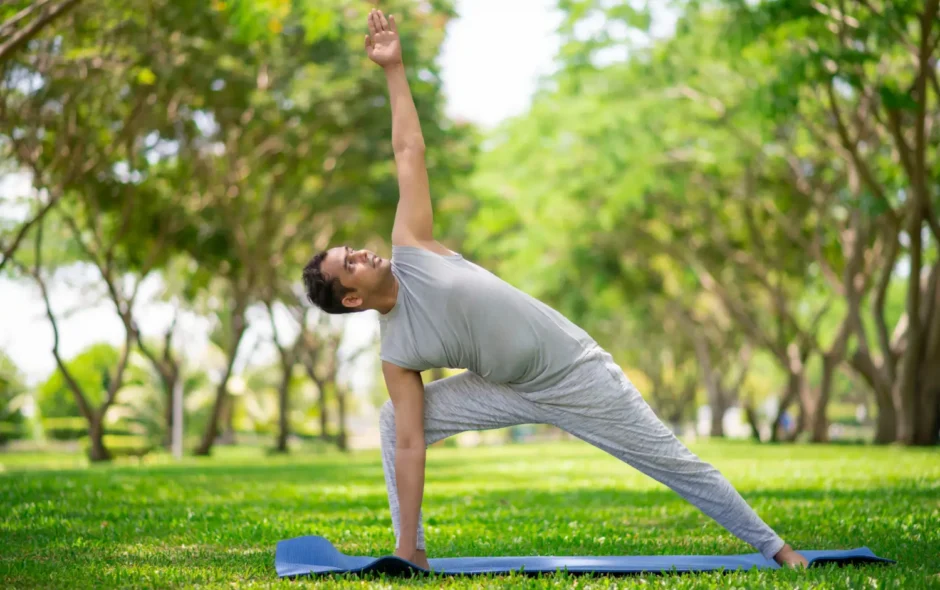
This change in culture can be seen in the world exercise industry. A lot of people are joining gyms, private workshops, and training places. Outdoor exercise groups are growing in parks and neighbourhoods in cities. No longer are players the only ones who care about their health. Professionals, kids, and older people all like it
Home exercise equipment is also very popular. Small pieces of tools and online training sites make it possible to change up exercises. People plan their workouts around their busy routines. This makes things more consistent. Results are better when you are consistent.
Wellness teachers and personal trainers stress organised training. Strength training, cardio, and movement workouts all work together to make a well-rounded plan. Moving around in a variety of ways and on purpose is good for your health. The focus is still on long-term progress instead of extremes in the short run.
Wellness at work changes the culture of a company
Employers are becoming more aware of the link between good health and efficiency. Wellness programs are built into the way businesses work. Companies either have exercise centers on-site or pay for employees to join gyms. Structured breaks at work help people move around during the day.
Ergonomic shapes and standing desks make work easier. Team exercise tasks get people involved. Health evaluations find early signs of risk. Companies that care about their employees’ health see fewer absences and higher happiness.
Also, places where people work from home are changing. Wellness workshops and virtual exercise lessons bring together teams that work in different places. Digital sites set up rings of responsibility. It’s clear from this culture change that good health is important at all levels of work.
Public policy helps communities be active
Wellness goals are becoming more and more a part of urban planning. Cities create bike lanes and areas that are good for walking. There is workout equipment in public parks. Recreational events get people of all ages to take part. These programs make it easier for people to get physical health care.
National efforts stress living a busy life. Physical education is a vital subject that is taught in schools and educational institutions. Community groups hold classes to raise understanding. These efforts make places where healthy choices are easy to find and attractive.
International health groups support standards for basic levels of exercise. Recommendations stress the importance of doing aerobic exercise and strength training workouts every week. To help a lot of people get healthier, policymakers make sure that public infrastructure meets these standards.
The Future of New Ideas in Physical Health
New tools offer even more progress. Personalised training plans are better with artificial intelligence. Biometric monitors give accurate information about achievement. Rehabilitation robots help people who have been hurt get better faster. Physical health management is becoming more and more personalised and based on data.
The best methods are still being improved by sports science research. As we learn more about how muscles change and how to control inflammation, recovery techniques get more complex. A personalised diet based on genetic information has a lot of promise. These changes point to a world where improving your physical health is both science and easy to do.
According to experts, preventive exercise will still be a big part of healthcare change. Doctors, exercise experts, and people who make technology will work together more closely. Monitoring and help will be available all the time with integrated tools.
A shared dedication to getting stronger and living longer
Physical health is essential to daily living. It impacts educational performance, social participation, and economic production. Communities that prioritise food and exercise are stronger. Health-conscious people are more autonomous and energetic.
The world story is still positive. People are becoming more aware. Infrastructure changes to make a healthy life easier. Innovation makes things easier to get to. These days, physical health is not an afterthought. It is the best way to invest in people’s ability.
Strength, endurance, and preventive care will become even more important as cultures progress. There is a path ahead. Healthy eating, exercise, and wise choices lead to long-term health.