
You’ve probably noticed something changing in the fitness world lately.
Not as much focus on going all out with intensity. More focus on being consistent. And honestly, it makes sense.
Because in 2026, physical health isn’t just about going hard. It’s about going longer. People want routines they can maintain for years, not just weeks. And this concept is influencing everything from workouts to recovery.
So let’s dive in and really understand what’s going on.
Why “All-Out” Training Is Losing Its Appeal
For years, the message was simple. Train harder. Sweat more. Go all in.
But there is a cost to this approach.
- Burnout
- Injuries
- Inconsistent routines
And here’s the problem. If you quit in six months, none of this even matters. That’s why more and more people are adopting the approach to fitness known as sustainable fitness. The approach is simple. The goal is simple. Show up. Even if it means showing up and doing less.
The Rise of Smarter Cardio
This is where things get interesting. You might have heard people say things like zone 2 training. While it sounds technical, it’s actually quite simple.
It’s moderate-intensity cardiovascular exercise. Not too easy, and not too hard.
- You can still talk while doing it
- Your breathing is steady
- You’re working, but not exhausted
This type of exercise tends to be around 60-70 percent of your maximum heart rate.
And the reason why people care about it:
- It improves heart function
- It helps your body use fat for energy
- It builds endurance over time
- It lowers injury risk
Most importantly, it’s sustainable. You can do it without getting exhausted. That’s a big deal.
There’s also research to suggest that it’s great for your body to get more efficient in using oxygen and producing energy, thanks to the mitochondria.
What does that even mean? Well, let’s break it down. Your body will get more efficient in getting more out of less.
Strength Training Isn’t Optional Anymore
Cardio is getting all the hype, but strength training is sneaking up to be just as relevant. Particularly when you think about it from a long-term point of view.
Some recent studies show that strength training can help with:
- Maintain muscle as you age
- Support bone health
- Improve metabolism
- Reduce risk of chronic disease
It’s not about how you look. It’s about how you function. And to be honest, it’s something most people used to overlook. Now, it’s an essential component of most workouts.
Recovery Is Finally Being Taken Seriously
This one used to be neglected. People would train hard every day and call it discipline. Now, recovery is part of the training.
You’ll see more people focusing on:
- Sleep quality
- Light movement days
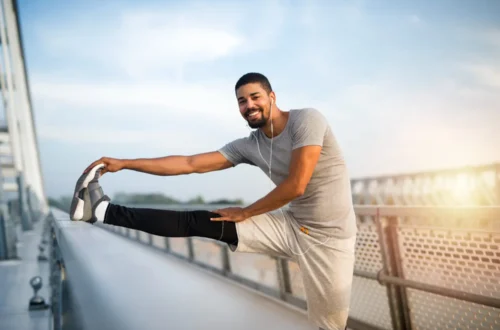
- Stretching or mobility work
- Lower-intensity sessions
Even low-effort movement is gaining traction. Things like walking or light movement can help with circulation and health. It might be considered “doing nothing,” but it counts.
Consistency Over Intensity
This may be the biggest change of all. Instead of the question “How hard should I go today?” the more pertinent one might be “Can I keep this up next week?”
A basic structure might be:
- 2 to 3 moderate cardio sessions
- 2 strength training days
- 1 to 2 lighter recovery days
Nothing extreme. But it works. And it’s easier to maintain.
What This Means for You
You don’t have to change everything about yourself. But perhaps you need to change the way you think about fitness. Maybe you have been in the cycle of going hard, getting bored, and stopping. Well, I think I can tell you why.
Try this Instead:
- Slow down your cardio a bit
- Add basic strength training
- Give yourself space to recover
- Focus on showing up, not maxing out
It’s going to feel like nothing is happening at first. And that’s okay. That’s because it is nothing. But over time, something is building. A routine that doesn’t need to be restarted every month.
A Small Reality Check
Now, here’s the part of the sentence that people don’t always talk about. Low-intensity training isn’t enough. Some form of challenge must still exist. Higher-intensity training has its place, especially for performance and fitness.
So it’s not about eliminating high-intensity training. It’s about balancing it. This was the missing link for most people.
Where Physical Health Is Headed
If you take a step back and look at it, the trend makes sense.
- Less punishment
- More intention
- Less short-term thinking
- More long-term planning
And to be honest, it just feels healthier. Not just physically, but mentally as well. Because let’s face it, the best exercise plan in the world doesn’t matter if you quit on it.
So the question remains. Can you see yourself doing the same routine six months from now? If the answer is no, perhaps it’s time to mix things up.